Indonesia, Malaysia and Singapore reaffirm commitment to keep Malacca and Singapore straits safe and open
Transport Minister Jeffrey Siow said at the 17th Cooperation Forum that recent events had shown that open sea lanes cannot be taken for granted, and that safe and open waterways depend on international law and cooperation among countries.
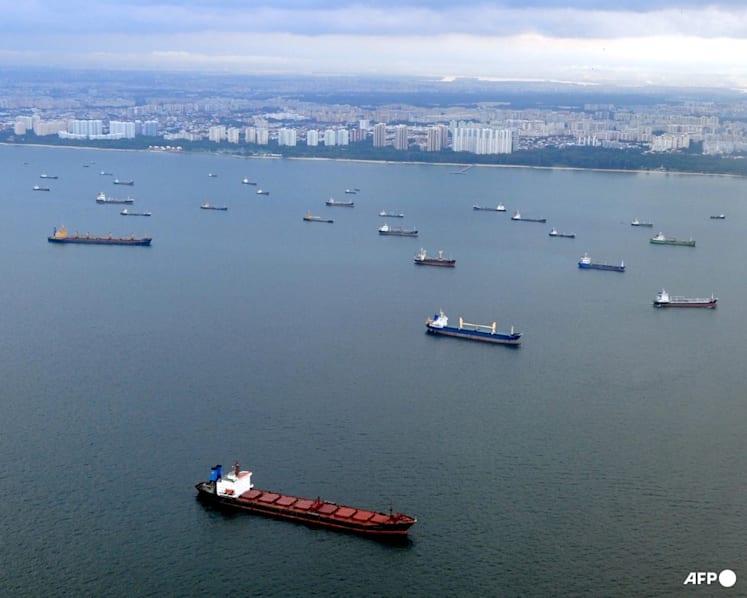
Ships ply the Straits of Malacca and Singapore. (File photo: AFP/Roslan Rahman)

This audio is generated by an AI tool.


SINGAPORE: Indonesia, Malaysia and Singapore have reaffirmed their commitment to ensuring the Straits of Malacca and Singapore remain free, open and safe for international shipping.
At the 17th Cooperation Forum that opened in Singapore on Tuesday (Aug 25), the three countries reaffirmed that ships have the right to transit through the straits under the United Nations Convention on the Law of the Sea (UNCLOS) and international law, according to a joint statement.
They also stressed the importance of respecting navigational rights and freedoms, and said nations that use the straits, international organisations, the maritime industry and other stakeholders all have a role to play in maintaining navigational safety and protecting the marine environment.
The Straits of Malacca and Singapore are among the world's most important shipping routes, carrying almost a quarter of global seaborne trade and nearly a third of global oil and gas supplies.





Proposals to further these efforts will be discussed during the two-day forum, including the safe introduction of new technologies and alternative fuels in the straits, as well as ongoing technical projects to enhance navigational safety.
The forum is held under a cooperation framework established by Indonesia, Malaysia and Singapore in 2007, which allows the three countries to work with nations that use the straits and other stakeholders on navigational safety and environmental protection.
The three countries also renewed their commitment to the framework and thanked stakeholders for their longstanding contributions, while encouraging their continued support and participation.
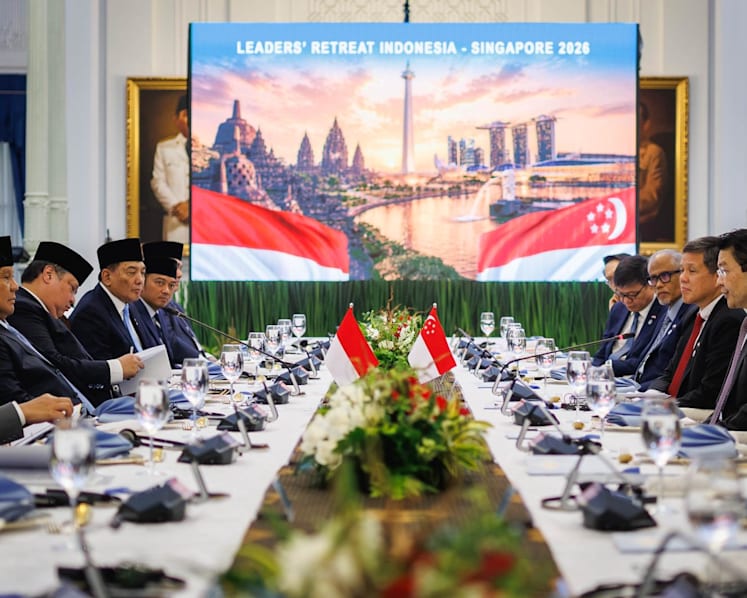
In his opening remarks, Singapore's Transport Minister Jeffrey Siow said recent events had shown that open sea lanes cannot be taken for granted, and that safe and open waterways depend on international law and cooperation among countries.
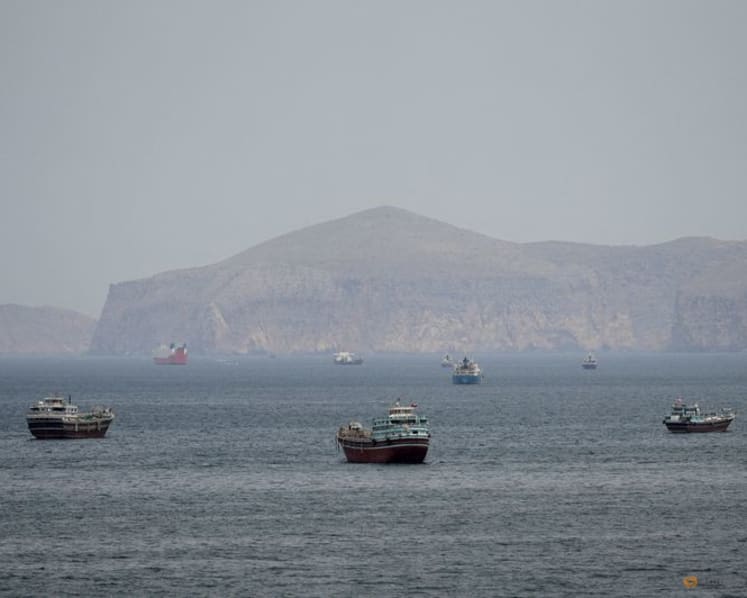
Mr Siow cited how ship traffic through the Strait of Hormuz - a route that previously carried a fifth of global oil supplies - had fallen to less than a tenth of pre-conflict levels and how vessels continued to face attacks despite being guaranteed passage under UNCLOS. Fewer than 20 commodity vessels transited the Strait of Hormuz at the weekend, shipping data showed on Monday.
Through the Cooperative Mechanism, Indonesia, Malaysia and Singapore and their partners have translated shared interests into practical cooperation, built on longstanding trust and collaboration, he said.
He added that this remains the only arrangement established under Article 43 of UNCLOS, which calls on countries to work together on navigational safety and pollution prevention.
Mr Siow also noted that Indonesia, Malaysia and Singapore recently completed a project that allows digital navigational aids to be used when physical aids are undergoing maintenance.
"This year, the three countries will finalise regional guidelines to improve coordination when ships in distress require a place of refuge," he said.
Singapore will also propose joint measures and procedures among the three countries to respond to cargo fires on container ships, following a rise in such incidents in recent years, Mr Siow said.
The forum is one of three components of the Cooperative Mechanism on navigational safety and environmental protection in the Straits of Malacca and Singapore, with the other two pillars being the Aids to Navigation Fund and the Project Coordination Committee.