This Singaporean retired at 35 without getting rich. Here鈥檚 how he made it work
After losing his teaching job, Colin Lau reshaped his life by buying a flat outright and reducing his spending to a minimum. 草莓传媒鈥檚 Money Mind unpacks his financial choices, sparking a debate about money, happiness and security.
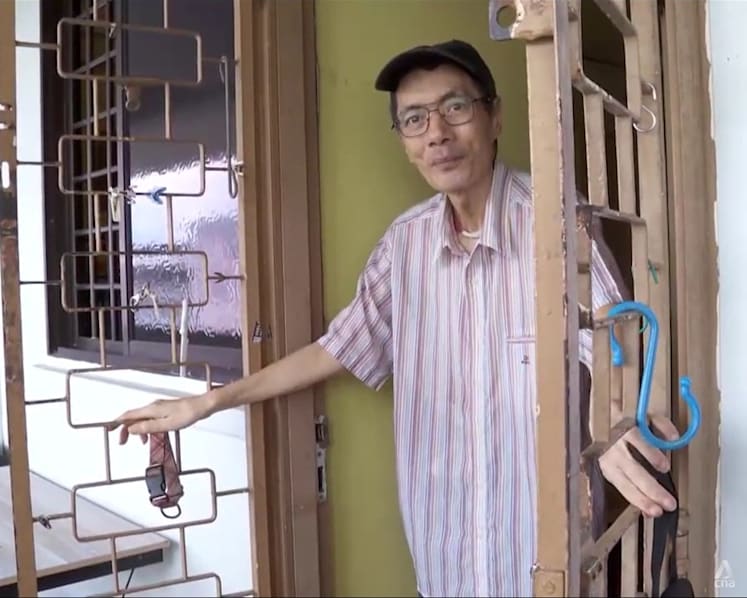
Colin Lau paid S$87,000 for his flat.

This audio is generated by an AI tool.




SINGAPORE: Colin Lau did something unexpected when he lost his job at age 35. He bought a flat with his savings.
With that purchase he retired young, not because he got rich but because he was prepared to have a flat, and not a job, that would pay him.
A conversation with his property agent 鈥� who asked how he intended to pay, say, a 30-year mortgage without work 鈥� set his mind on buying 鈥渢he cheapest flat you can find in Singapore that you can afford to pay in full鈥�.
鈥淚f you borrow money from the bank, the 30-year mortgage would mean that you buy a flat for yourself, and you buy a flat and give it as a free gift to the bank,鈥� he said.





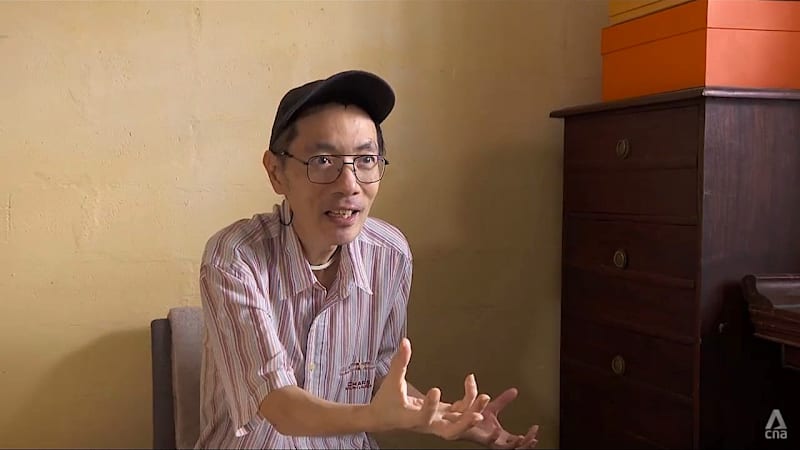
Lau turned his flat into income by renting out a spare room, which allowed him to recover the cost of the property. He also reduced his cost of living to a minimum.
His monthly expenses are less than S$150, which is why many people think his lifestyle is extreme. He used to spend even less about five years ago: less than S$90 a month.
The way he has made his retirement work, from his housing decisions to daily spending, has got people talking after he featured in 草莓传媒鈥檚 .
That segment on YouTube has garnered 1.9 million views and more than 3,300 comments so far, and 753,000 views on TikTok.
WATCH: How this Singaporean retired at 35 without getting rich (10:19)
YouTube user @wumingkkk had a few colleagues who also saved aggressively but who died 鈥渙ne to four years鈥� after retirement.
鈥淚 don鈥檛 think there鈥檚 a single strategy that鈥檚 right for everyone. Saving aggressively can provide financial security, but it also comes with the risk of postponing too much of life鈥檚 enjoyment,鈥� wrote @wumingkkk.
鈥淪pending too freely can leave you financially vulnerable later in life. The key is to find a balance between preparing for the future and enjoying the present, because none of us knows how much time we鈥檒l actually have.鈥�
Another YouTube user shot back at others who questioned Lau鈥檚 retirement plan. 鈥淚f he鈥檚 happy, who are we to say he鈥檚 not?鈥� wrote @lecherhao86.
鈥淎 lot of Singaporeans are still paying (their) mortgage till old (age) and can鈥檛 afford to switch to a lower-paying job. I doubt this is a normal definition of happiness.鈥�
Now 55, Lau said he was indeed happy as he shared a story he had kept 鈥渟ecret鈥� until now.

A MINDSET INGRAINED IN CHILDHOOD
Long before the term 鈥渇inancial independence, retire early鈥� existed, Lau had embraced the mindset. It can trace back to one memory from childhood, when he was a primary school pupil and saw his aunt crying one day.
She had been retrenched, which she told him was 鈥渧ery common鈥� among people in their mid-40s, he recounted.
鈥淲ith a mortgage to pay, 鈥� kids to (raise), a lot of things to pay, they need money the most in their lifetime, and that鈥檚 the time they actually lose their job.鈥�
That moment stayed with him. When he eventually became an English and Spanish language teacher, retrenchment was not just a distant possibility for him.
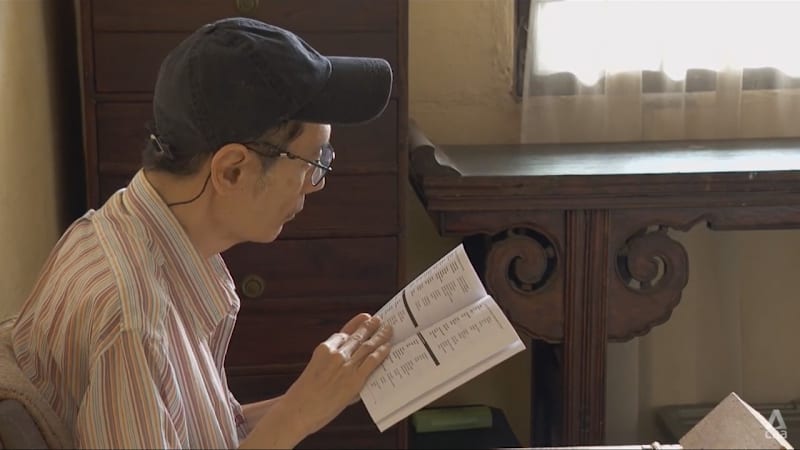
While others chased bigger lifestyles, he had one goal: To never be financially distressed if his pay cheque disappeared. 鈥淚鈥檇 work extremely hard to earn as much money as possible,鈥� said Lau, who wanted to 鈥渁void retrenchment at all costs鈥�.
He was also saving 80 to 90 per cent of his salary. 鈥淓verybody was spending money like water. I was spending money like a test tube,鈥� he remarked.
At 35 and single, he thought he had another 10 years before retirement, but the language centre he worked for shut down. All his preparation was finally put to the test.
He bought an ageing three-room flat for S$87,000. In 2007, that was about 32 times a fresh graduate鈥檚 median gross monthly starting salary. Today, comparable older three-room flats can cost more than twice as much relative to starting salaries.
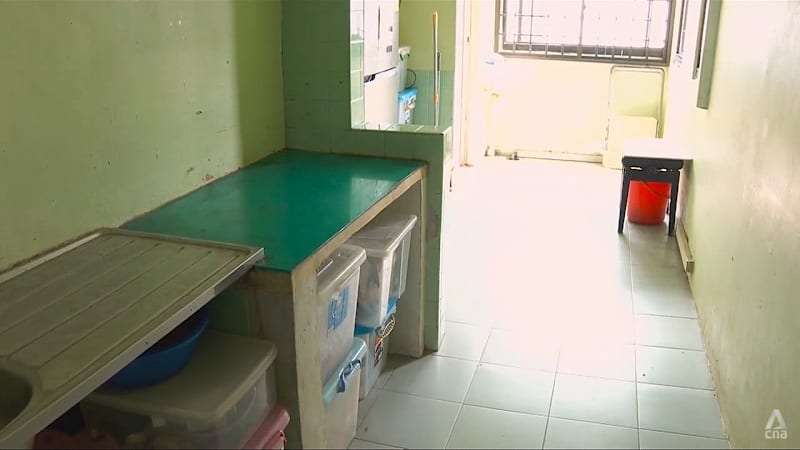
Lau described his flat on the top floor as 鈥渧ery breezy鈥� and 鈥渜uite nice鈥�, with 鈥渓ovely neighbours, direct lift (access) and near Orchard Road鈥�. The trade-off is lease decay: He bought it with about 64 years left on the lease.
鈥淏ut you know what? The funny thing is, my flat was built (in) the same year I was born,鈥� he said. 鈥淭echnically, I鈥檓 allowed to stay here until I鈥檓 99.鈥�
After eight years, with the rent he earned, his flat was 鈥渇ree of charge鈥�, he added. Today, he has one tenant and collects about S$900 a month. He also receives monthly payouts from insurance plans that matured during his retirement.
It all adds up to about S$2,500 a month, nowhere near the little that he spends, pointed out Lau, who shares some of his bills with his tenant and receives government rebates too.
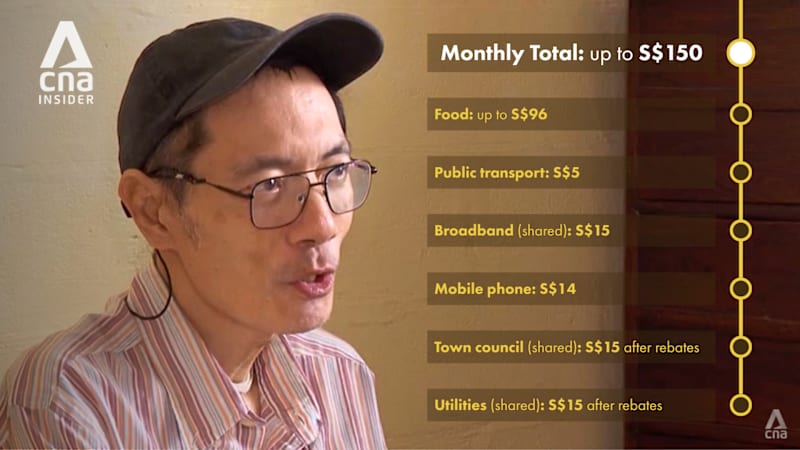
His advice when it comes to saving money? 鈥淒on鈥檛 save on the very cheap stuff, (for example by) collecting rainwater. 鈥� Save on the expensive stuff,鈥� he said, citing housing as 鈥渢he most expensive stuff (he) can think of鈥�.
鈥淵ou can buy a million-dollar apartment. 鈥� The choice is yours. I decided to buy a cheap one, and I have a lot of money to use. I don鈥檛 worry about money because I don鈥檛 like worrying about money.鈥�
FROM MENTAL FUN TO CHARITY WORK
Lau鈥檚 financial freedom came at a cost nonetheless. Originally, he wanted a bigger flat, which he gave up just to retire young. He never had children but has 鈥渙ne fur kid鈥�: a small dog he can 鈥渆asily afford鈥�.
He does not feel deprived, he insisted. 鈥淢y pleasures are all mental, like listening to music, reading, listening to podcasts, learning about something, 鈥� and mental kind of fun happens to be free.
鈥淚鈥檓 happy with what I have right now. I make do with it.鈥�
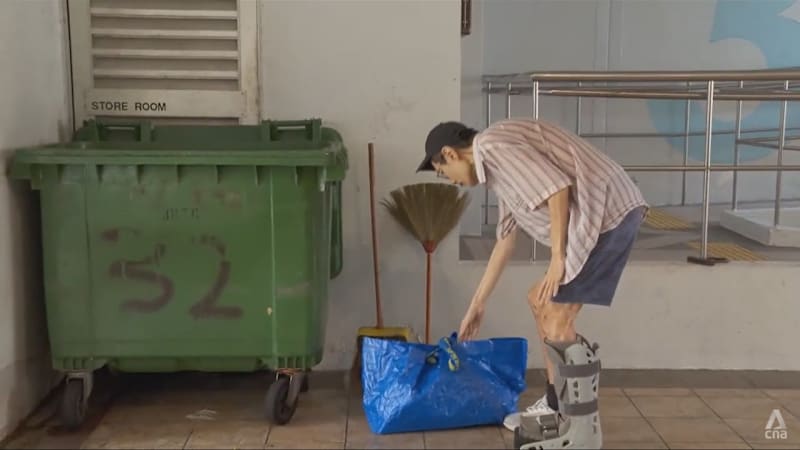
A lot of what he has is also what other people throw away. Lau is a regular dumpster diver 鈥� it is one of the ways he keeps his costs low. And the handiest item he found was his bed.
鈥淭he mattress was practically brand new when I saw it, and the frame was quite new. So I brought it back,鈥� he said, 鈥渂ecause I knew I鈥檇 use it probably for the rest of my life.鈥�
He does not collect items only for himself. He has 鈥渢housands of items shipped to slums in Manila鈥�. Many of these are used items people donate in response to his posts on his Facebook page, .
The items are dropped off at the Lucky Plaza office of a freight forwarder that will distribute them in the Philippines. It is a project Lau started nearly a decade ago.
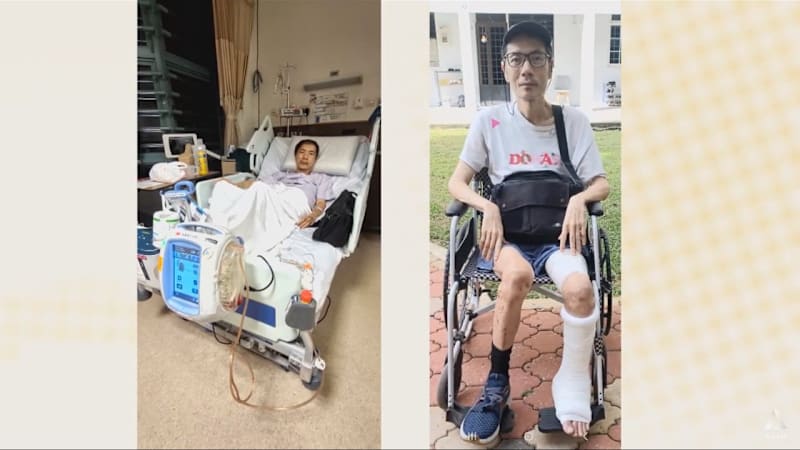
In the time since he retired, his biggest test came last year. He had a health shock that began with swollen feet and landed him in hospital after he fainted. He underwent 15 surgeries and was hospitalised for 62 days.
He said the hospital bill came to S$146,000, costing more than his flat. But he had insurance coverage and chose the most basic ward, Class C, which meant an 80 per cent subsidy.
鈥淲e only pay 20 per cent. But 20 per cent is still a lot,鈥� he said. 鈥淭wo per cent was my MediSave, and 18 per cent was the insurance.鈥�
While he 鈥渄idn鈥檛 pay a single cent鈥� out of pocket, he knows he will need to spend on his future healthcare and living costs.
鈥淚 want to use my money to get a maid when I can鈥檛 take care of myself. And obviously, if the maid isn鈥檛 good enough, I want to go into a nursing home,鈥� he said.
鈥淣ursing homes aren鈥檛 cheap, so I don鈥檛 know how much they鈥檙e going to cost by the time I need (one).鈥�
Lau has built a life designed to survive uncertainty. It is not an approach that will work for everyone.
Writing on Facebook after his interview went viral, he acknowledged that his low-cost lifestyle is 鈥渢otally opposite鈥� of almost everyone else鈥檚 life in Singapore. 鈥淚鈥檝e kept my secret from the public for two decades,鈥� he wrote.
But he thinks his lifestyle is also 鈥渉igh fun鈥�, with free or cheap hobbies. And given the financial worries of today, he has shared his story.
鈥淲orrying about money isn鈥檛 fun. The cheapskate lifestyle is the best way to make it extinct,鈥� he declared.
Watch this . The programme airs every Wednesday at 9pm.